Welcome to the Great Green Wall Project

First Meeting with Dr Onafeso
During the first meeting between our Afternoon club and Dr Onafeso, it becomes clear that the implementation of the Great Green Wall in Nigeria and West Africa is hindered by political instability, terrorism, and environmental problems.
At the same time, it is emphasized that regional cooperation and sustainable development are crucial to the project’s success.

Security Problems
Nigeria faces many challenges in building the GGW, some of them are related to Boko Haram.

Member States
Originally, 11 countries are part of the GGW.
These include Burkina Faso, Mali, Eritrea, Niger, Nigeria, Chad, and Sudan.

International Support
Many positive achievements are the result of initiatives from the Global North, particularly Europe and North America.

Obstacles to Development
Several problems hinder the progress of the GGW. This applies to West Africa as a whole.

Political Instability
These countries face serious political problems. There have been attacks by Islamist groups.
Desertification
The northwestern regions suffer the most from desertification and drought.
-
Nigeria is structured as a federal state.
-
Die Attacks by Islamist terrorists have decreased significantly in recent years.
-
Lake Chad is another major issue, today it covers only about one-tenth of its original size.
-
The countries of the Sahel region must see themselves as a community in order to achieve the development goals of a “green world.” It is not only about reforesting an entire region, but about creating a sustainable world.
-
The UN has defined 17 Sustainable Development Goals, such as a fair justice system and education for all people.
-
If the influence of Boko Haram decreases, many factors would improve.
-
There has been a military operation involving European and African soldiers.
-
If the overall security situation in West Africa improves, hospitals and schools could open more frequently.
-
Only if the region becomes more politically stable can the idea of a “green world” become reality.
-
There are three countries that depend on Lake Chad: Chad, Niger, and Nigeria.
From the examples mentioned, it is clear that the project is not only about planting trees.
The Great Green Wall should begin with ordinary people and not be imposed from above. This is known as a “grassroots” project.
The initiative should not remain solely with one government but should involve ordinary people (bottom-up project).
If the influence of Boko Haram is reduced, the entire region will benefit.
If people were allowed to return to their homes, it would have a positive impact. However, this requires that the regions have become safer.
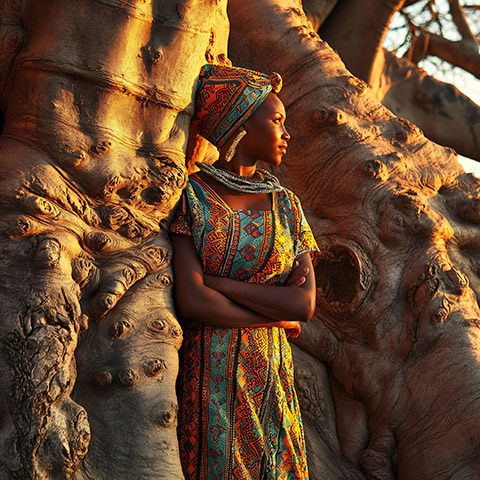

Ethiopia is not as strongly affected by the previously discussed problems.
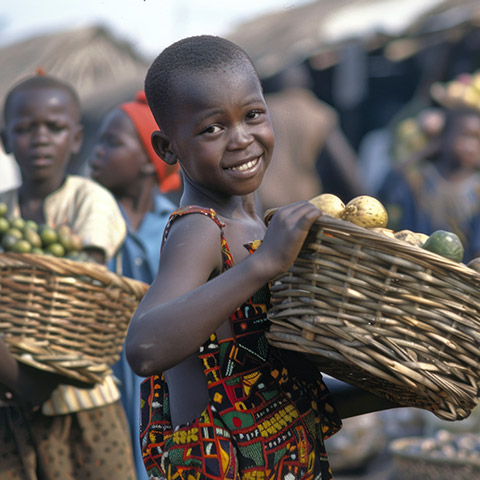

Humanitarian aid contributes to improving the situation.
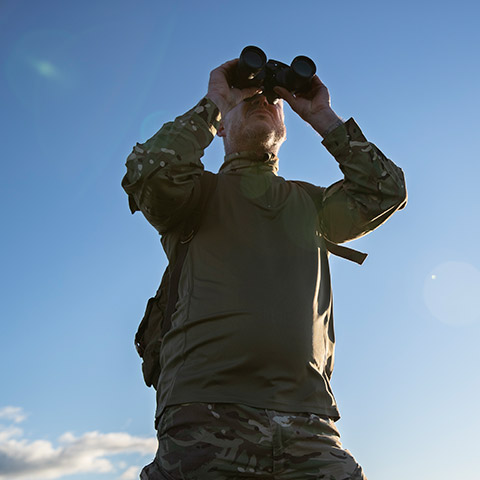

European military support would be viewed positively. France has already done this.


Corruption has significantly contributed to the threat of terrorism.
If humanitarian aid increases, the sustainability goals of the GGW will be easier to achieve.
Internet access in Europe is much better than in Africa, and improvements are needed to make the transfer of information and education easier.
-
Nigeria has done more to implement the GGW than the Republic of Niger.
-
Nigeria has achieved more than Niger, for example.
-
Although the Republic of Niger has a larger land share of the GGW, it is not as developed as Nigeria.
-
The problems in the Republic of Niger (terrorism) negatively affect the relationship between the two neighboring states.
-
The political situation in Niger is weak and not under control.
-
DThe level of development in Niger is significantly lower than in Nigeria, for example in education (only six years of schooling in Niger).
-
After France withdrew its troops, stability in Niger worsened.
-
Development aid in technical equipment would benefit the entire region twice over (e.g., AWACS).
COUNTRIES
This is the number of states originally belonging to the Great Green Wall.
SUSTAINABILITY GOALS
The United Nations has defined 17 Sustainable Development Goals (SDGs).
OF ITS AREA
Lake Chad now covers only about one-tenth of its original size.
YEARS OF EDUCATION
In Niger, the average length of schooling is only about six years.